
Introduction
Orthopaedic injuries rarely happen on schedule. A fall at home, a road accident, a sports injury during an evening game these events demand immediate, specialized medical attention. Unlike many health conditions that can wait for a scheduled appointment, orthopaedic trauma often requires urgent diagnosis and treatment to prevent long-term complications.
This guide covers common orthopaedic emergencies, why specialized trauma care matters, and what to expect when seeking emergency treatment.
Why Orthopaedic Emergencies Need Specialist Care
General emergency departments are equipped to stabilize patients, but complex fractures, joint dislocations, and trauma injuries often require orthopaedic specialists for accurate diagnosis and definitive treatment. Delayed or inadequate treatment of orthopaedic injuries can lead to:
- Improper bone healing or deformity
- Chronic pain or reduced mobility
- Increased risk of future joint instability
- Longer recovery times
This is why having direct access to 24×7 orthopaedic trauma care rather than routing through general emergency services alone can significantly impact recovery outcomes.
Common Orthopaedic Emergencies
1. Bone Fractures
From simple hairline fractures to complex multi-fragment breaks, fractures require prompt imaging and treatment to ensure proper alignment and healing. Treatment ranges from casting to surgical fixation with plates, screws, or rods, depending on severity.
2. Complex Trauma
Severe accidents such as road traffic accidents can result in multiple fractures or injuries affecting several areas of the body simultaneously. These cases require coordinated, specialist-led trauma management, often involving surgical stabilization.
3. Shoulder Dislocation
A dislocated shoulder occurs when the upper arm bone is forced out of the shoulder socket, often due to a fall or sports injury. Recurrent dislocations may require surgical repair, such as Bankart repair (reattaching torn ligament tissue) or Latarjet procedure (bone graft reconstruction) for patients with repeated instability.
4. Rotator Cuff Injuries
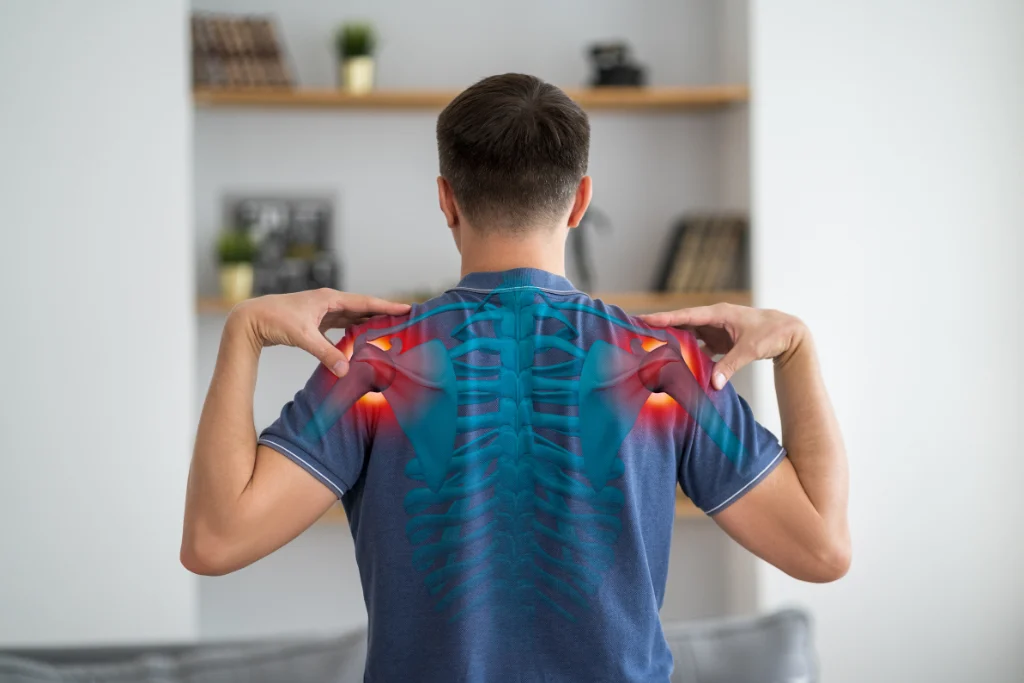
The rotator cuff a group of muscles and tendons stabilizing the shoulder joint — can tear due to injury or degeneration. Depending on severity, treatment ranges from physical therapy to surgical repair.
What Happens During Orthopaedic Emergency Care
When you arrive with a suspected orthopaedic injury, the typical process includes:
- Initial assessment Evaluating the injury, pain level, and visible deformity
- Imaging X-rays, and in complex cases, CT or MRI scans to assess the full extent of damage
- Diagnosis and treatment planning Determining whether the injury requires casting, splinting, or surgical intervention
- Treatment From fracture stabilization to surgical repair, based on the diagnosis
- Recovery planning Including physical therapy and follow-up care to restore function
When to Seek Immediate Orthopaedic Care
Seek emergency care right away if you experience:
- Visible deformity of a limb or joint
- Inability to bear weight or move the affected area
- Severe swelling or bruising following an injury
- A joint that appears “out of place”
- Numbness or loss of sensation following an injury (may indicate nerve involvement)
Frequently Asked Questions
How do I know if a bone is fractured versus just bruised?
Fractures often involve severe pain, swelling, visible deformity, and inability to bear weight or use the limb normally. However, imaging is the only reliable way to confirm a fracture.
Can a dislocated shoulder heal without surgery?
A first-time dislocation can sometimes be treated non-surgically with repositioning and immobilization. However, recurrent dislocations often require surgical repair to restore joint stability.
How soon should I see a doctor after a fall or accident?
Immediately, especially if there’s significant pain, swelling, deformity, or inability to move the affected area. Early diagnosis helps prevent complications from delayed treatment.
What is the difference between Bankart and Latarjet procedures?
Bankart repair reattaches torn ligament tissue to the shoulder socket, while Latarjet procedure involves a bone graft to rebuild the socket typically used for more severe or recurrent instability.
Conclusion
Orthopaedic emergencies require fast, specialized care to ensure the best possible recovery. Whether it’s a fracture, dislocation, or complex trauma, having access to 24×7 orthopaedic-specific emergency care — rather than general emergency services alone — can make a meaningful difference in long-term outcomes.
At Mitra Hospital, our orthopaedic trauma team is available around the clock to provide prompt, specialist-led care when you need it most.